
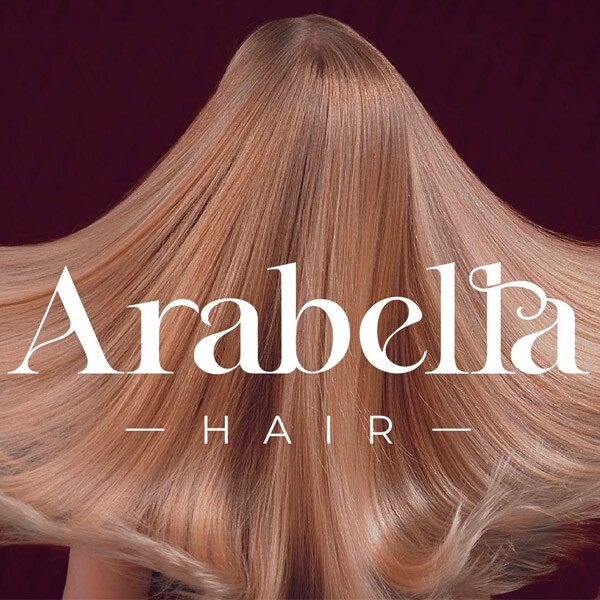









Cool-Tone vs Warm-Tone Wig Colors: Finding Your Perfect Shade

Cool-Tone vs Warm-Tone Wig Colors: Finding Your Perfect Shade
Introduction
Choosing a wig color isn't just about picking the shade that looks pretty on the color wheel. It's about finding a tone that harmonizes with your skin, eyes, and personal style. When you're shopping for wigs, you'll often encounter two broad families: cool-tone colors and warm-tone colors. Each family carries its own mood, depth, and lighting behavior. A cool-tone wig can read icy, modern, and edgy, while a warm-tone wig can feel sun-kissed, soft, and approachable. The key is to understand where you fall in the cool-to-warm spectrum and how those undertones interact with your complexion, hair texture, and lifestyle.
In this guide, we'll break down what cool and warm tones mean for wigs, how to determine your undertone, and practical tips to find your perfect shade-whether you're aiming for a natural blend or a bold fashion statement. By the end, you'll have a clear framework for evaluating color options, testing undertones, and maintaining vibrant wig color without sacrificing comfort or longevity.
Understanding Undertones: What "Cool" and "Warm" Really Mean
Undertones are the subtle hues that lie beneath the surface of a color. Think of cool undertones as leaning toward blue, violet, and green hues, while warm undertones tend to lean toward yellow, gold, and red hues. For wigs, the undertone is less about the overt shade (platinum blonde, chocolate brown, copper) and more about the underlying temperature that makes the color look either crisp and frosty or rich and honeyed.
When you compare two wigs that look similar at first glance-one labeled "cool ash blonde" and another labeled "warm honey blonde"-you'll notice the cool option has a bluish or silvery cast that reads as modern and bright. The warm option carries a golden or peachy glow that reads as cozy and natural. This fundamental distinction affects how the wig interacts with your skin tone, eye color, and even your makeup choices.
Important nuance: many wigs are designed as hybrids or feature multi-tonal blends. A "cool" wig might include subtle warm highlights to prevent it from looking stark, while a "warm" wig can incorporate cooler lowlights to add depth. The practical takeaway is to consider undertone as a guiding principle rather than a rigid label. Your ideal shade might be a well-balanced balance between cool and warm elements, a compromise that flatters you in predictable lighting and natural daylight.
Cool-Tone Wig Colors: Icy, Silvery, and Modern
Cool-tone wigs embrace a spectrum that runs from platinum and ash to deep blue-black with a cool sheen. They're excellent choices if you want a contemporary, statement-ready look or if your skin carries pink, rosy, or neutral undertones. Below are common cool categories and what they bring to your overall appearance.
Platinum and Silver-leaning Tones
Platinum blonde, icy pearl, and silver-blonde wigs are quintessential cool shades. They often read as futuristic and can brighten facial features-especially when paired with cool eye makeup. If you have cool undertones, pale skin with pinkish hues, or blue/gray eyes, platinum can be stunning. If you're naturally warm-toned, platinum can still work with the right makeup and a carefully matched base wig to avoid looking washed out.
Pro tips: look for wigs described as "cool platinum," "icy ash," or "platinum silver." Consider adding a gentle shadow/root to keep a natural transition from your scalp to the lighter lengths. In addition, keep your makeup cool-toned-pearl, taupe, and blue-based pinks-to maintain harmony with the wig.
Ash Browns and Charcoal Blacks
Ash brown and charcoal black wigs carry grayish or blue-tinged undertones. They're perfect for a sleek, modern aesthetic and pair beautifully with cool-toned skin or eyes that exhibit blue or gray tones. These shades can appear flat in overly warm lighting, so you'll often see them with subtle glaze or cool highlights to prevent the look from turning dull.
Tip: if you want a black wig but worry it will wash you out, choose a shade like "blue-black" or "jet with blue undertone" that adds a hint of cool depth. You can then brighten the look with cool-toned makeup and a slightly lighter root to avoid a harsh line at the scalp.
Blue-Black and Violet-tinged Blacks
For a dramatic aesthetic, blue-black or violet-tinged black shades offer depth with a noticeable cool bias. These tones work especially well for people with cool undertones and darker skin tones who want a striking, high-contrast look. In bright daylight, the blue or violet nuance becomes more apparent, while indoor lighting can present a sleek, multifaceted black.
Additional Cool Highlights
Beyond the main categories, you'll see wigs with cool-toned highlights-silver-llecked blondes, ash balayage, and steel-gray wisps-that add dimension without tipping into warmth. These shades are excellent for those who want a nuanced, multi-tonal effect that stays true to a cool palette.
Warm-Tone Wig Colors: Golden, Honeyed, and Rich
Warm-tone wigs radiate warmth and vitality. They tend to complement skin with golden, peachy, or olive undertones and eyes that lean toward brown, hazel, or amber. If you want a wig that feels approachable, natural, and flattering across a range of lighting, warm tones are a reliable choice. Here are common warm categories and their vibe.
Golden and Honey-Blonde Wigs
Golden and honey-blonde wigs carry rich yellow and gold undertones. They look especially flattering on warm or neutral skin tones and can brighten the face without being overly stark. For many, these shades mimic the warmth of sun-kissed hair and pair well with warm makeup tones like peach, coral, and bronze.
Pro tip: to avoid brassiness, look for shades labeled as "golden" or "honey" with cool protectors in the formula and a slight root for dimension. If your natural hair is light with a warm base, golden hues can offer a seamless transition when you're wearing extensions or wigs.
Copper, Ginger, and Auburn
Coppery reds and auburns are quintessential warm-toned colors. They range from bright copper with a vivid glow to deeper auburns with a subtle red backbone. These shades are particularly flattering on people with olive, tan, or golden undertones and can create a luminous contrast with cool eye colors like blue or gray-making them pop in photos and social settings.
Care note: reds tend to fade faster than some other colors. Use color-safe, sulfate-free shampoos, a cool-water rinse, and consider a color-preserving conditioner or a dedicated red-toning product to maintain vibrancy between washes.
Chestnut and Chocolate Browns
Warm browns-think chestnut, caramel, and chocolate with warm highlights-offer depth and a natural look. These shades tend to be forgiving for more complex or mixed undertones and can look incredibly natural in daylight. They also pair well with earth-toned makeup and warm-toned jewelry, creating a cohesive appearance.
Strawberry Blonde and Caramel Blends
Strawberry blonde blends have a delicate balance of warm yellows with cooler strawberry tones, producing a light, sunny effect. Caramel-blonde mixes lean slightly toward warmth but still maintain a soft, wearable feel for many complexions. These shades are great for transitional seasons and everyday wear.
How to Determine Your Undertone and Pick Your Shade
Finding your perfect wig color begins with identifying your undertone. Here are practical, dermatologist-free methods you can use at home. The goal is to determine whether your skin reads cool, warm, or neutral, and then align that with wigs labeled accordingly.
Step 1: Check Your Veins
Hold your forearm under natural light and look at the veins on the inside of your wrist. If your veins appear blue or purple, you likely have cool undertones. If they look green, you probably have warm undertones. If you can't tell, you may have neutral undertones, which means you'll have the flexibility to wear either cool or warm shades, with guidance from your preferred look.
Step 2: Jewelry Test
Which metal suits you better-silver or gold? If silver jewelry makes you glow, you're likely cool-toned. If gold looks more flattering, you're probably warm-toned. If both look good, you may be neutral. This is a quick, practical trick, but it's not definitive; use it in combination with other methods for accuracy.
Step 3: White Paper and Skin Tone Observations
Hold a pure white piece of paper next to your face in natural light. If your skin appears rosy or pink next to white, you may lean cool. If your skin looks golden or yellowish, you may lean warm. If both look equally balanced, you could be neutral. This method helps you visualize contrast between your skin and a white backdrop without makeup.
Step 4: Eye and Lip Color Considerations
People with cool undertones often have blue, gray, or cool-brown eyes and tend to look better with blue-based or cool makeup. Warm undertones commonly feature green, hazel with gold flecks, or brown eyes with warm reflections. As you start exploring wig colors, notice which undertone family enhances your eye color and complements your natural lip color or makeup palette.
Step 5: Try-On and Lighting
The most reliable test is a physical try-on or a virtual try-on in various lighting. Natural daylight is the most truthful; indoor lighting (especially yellow-tinted bulbs) can shift perception. If you're unsure, start with a neutral base and add cool or warm accents through makeup and accessories to simulate how a wig would harmonize in different environments.
Practical Guidelines: Matching Wigs to Skin, Hair, and Eye Color
Beyond undertones, you want to consider how a wig shade interacts with your overall coloring and features. Here are practical guidelines to help you choose a shade that flatters you in real life and in photos.
Skin Tone and Undertone Alignment
Cool-toned skin tends to look balanced with cool-tinted wigs. Warm-toned skin often looks vibrant with warm wigs. Neutral undertones have the most flexibility; you can experiment with both ends of the spectrum. If you have a strong complexion with visible pink or olive undertones, consider starting with the undertone family that aligns most strongly with your natural coloring and move gradually toward a contrasting shade if you want a bold look.
Eye Color as a Guide
Eyes can influence how a wig reads. Cool-toned eyes (blue, blue-green, gray) often harmonize with ash, platinum, and blue-black wigs. Warm-toned eyes (brown, amber, hazel with gold) can pop in golden-blonde, copper, and chocolate browns. If your eyes have mixed tones, you can use a wig with micro-highlights or balayage that blends both cool and warm strands for a captivating, multidimensional effect.
Hair Color Correlation
If you currently wear natural hair, use it as a baseline. If your natural color is cool (ashy blondes, cool browns), you'll likely enjoy a cooler wig. If your hair is warm (golden blond, red tones), a warm wig often feels more cohesive. Remember, wigs can be used to explore a different look without altering your natural hair, so feel free to experiment with drastic shifts or subtle changes.
Makeup Compatibility
Makeup can transform how a wig reads on you. For cool wigs, consider lip colors in rosy pinks, mauves, or berry tones, along with cool-toned blushes and neutral eyeshadows with ash undertones. For warm wigs, try peachy blushes, bronze highlighters, and warm neutrals or gold-infused eyeshadows. If you're undecided, start with a balanced palette that leans neither too cool nor too warm and adjust with accessories or makeup texture to suit the occasion.
Your lifestyle and style goals should influence your color choice as much as you. Here are common scenarios where tone can play a pivotal role.
Professional Scenarios
In many office environments, neutral or naturally flattering shades are a safe starting point. Cool or warm tones that resemble natural hair color can read as polished and professional. If you want a recognizable signature without being overpowering, consider a subtle cool gloss over a natural base or a warm caramel that emits understated confidence.
Creative or Fashion-forward Settings
If you're exploring creative looks, cool-toned wigs can provide a striking, editorial edge-think icy blondes and steel grays paired with bold makeup or avant-garde outfits. Warm-toned wigs offer warmth and approachability; copper and chestnut shades can be dramatic yet wearable with smoky eyes or a bold lip. Multi-tonal wigs that blend both cool and warm strands are particularly compelling for fashion-forward statements.
Everyday Wear and Comfort
For daily wear, you might prefer a shade that's easy to maintain in terms of fade and brassiness. Cool-blonde and ash shades can stay fresh with a clarifying wash and cool-water rinse, while warm browns and caramels can look liftable with a light shine spray and routine conditioning. The goal is to pick a shade you feel confident wearing in natural light, social settings, and photos.
A well-maintained wig color lasts longer and maintains a natural look. Here are essential maintenance practices for both cool and warm tones.
Washing and Conditioning
Use sulfate-free shampoos and color-safe conditioners designed for synthetic or human hair wigs, depending on your wig type. Wigs tend to fade, especially reds and yellows, so you may need to refresh the tone with color-depositing products or a professional color service periodically. For cool-blonde shades, a purple-toning shampoo can help prevent brassiness. For warm browns and coppers, a color-safe conditioner with a hint of tonal balance can preserve depth without introducing unwanted coolness or warmth.
Heat Styling and Texture
If your wig is heat-friendly, you can style with curling irons or straighteners, but always use a heat-protectant product and stay within recommended temperatures for your wig fiber. For synthetic wigs, avoid high heat unless the product explicitly states that high temperatures are safe. Texture (loose waves, straight, curly) can also influence how a tone reads-looser waves can soften contrast and create a more natural transition with your skin tone.
Storage and Fading Management
Store wigs away from direct sunlight to minimize color fading and brassiness. Use wig stands or padded hangers to maintain shape and prevent tangling. If you notice color dulling, consult with a professional stylist who can advise on color-refresh strategies appropriate for your wig's fiber and construction.
Color Maintenance Essentials
Keep color longevity by scheduling regular maintenance checks, avoiding chlorine-heavy pools (which can alter color and fiber integrity), and protecting the wig from excessive heat. For individuals who frequently change looks, investing in a color-safe line of products and a rotating wardrobe of shades can help you stay fresh without damaging hair fibers.
Style and color interact. You can coax a wig to look more natural or more fashion-forward by adjusting parting, layering, and accessory choices. Here are practical tips to maximize your chosen tone.
Part and Layer Strategically
For cool-toned wigs, a soft side part with light layering around the face can create a modern frame that highlights the cool undertones. For warm-toned wigs, a middle part or deeper layers can produce a classic silhouette with a glowing complexion. Layering adds movement and helps the color read with depth rather than flatly.
Accessories and Makeup to Harmonize Color
Choose accessories that echo the wig's undertone. Silver jewelry tends to complement cool shades, while gold-toned pieces pair nicely with warm tones. Makeup should be adjusted to harmonize with the wig: cool tones for cool wigs (plum lips, icy neutrals) and warm tones for warm wigs (peach blush, bronze eyeshadows).
Lighting and Photography
Take photos in natural daylight to evaluate how the wig color truly looks on you. Indoor lighting can skew perception, making cool shades appear warmer or vice versa. If you're modeling wigs, consider carrying a compact mirror in natural light so you can test shade perception in different environments before stepping on camera or meeting friends.
A few frequent missteps can undermine even the best shade choice. Here are some to watch out for and how to avoid them.
- Assuming hair color equals undertone: A shade can look cool or warm even if the color itself seems neutral. Always check undertone, not just the name of the shade.
- Choosing based solely on trends: Trendy colors may be exciting but can be hard to wear long-term. Prioritize undertone compatibility and ease of maintenance.
- Overlooking lighting: A wig that looks perfect in store lighting can shift under daylight. Test under multiple lighting conditions if possible.
- Forgetting about the scalp match: The wig's base tone near the scalp can affect how natural the result looks against your skin. Look for shades with a natural root or a gentle transition if you're concerned about visibility at the hairline.
- Ignoring maintenance requirements: Some colors fade quickly or require specific care. Choose a shade you can realistically maintain within your routine.
Ready to shop with confidence? Here are practical steps to start your journey toward the perfect cool or warm wig shade.
1) Build a Color Reference
Gather a palette of your preferred undertones and note the features you want to highlight (eyes, skin glow, smile lines, etc.). Create a simple reference: "Cool ash for day-to-day wear" or "Warm honey with caramel lowlights for events." Having a mental cheat sheet helps when you're comparing options in a store or online catalog.
2) Start with Natural Shades
If you're unsure, begin with shades that resemble your natural hair color and adjust from there. A shade that resembles your base can be easier to integrate with everyday life, especially if you wear wigs frequently.
3) Use Digital Try-On Tools
Many wig retailers offer virtual try-on features. Use these tools to compare how cool and warm options look on your face from home. Take screenshots under different lighting simulations to compare performance across environments.
4) Ask for Swatches and Returns
Ask for physical color swatches or sample lace fronts if you're able. If you're shopping online, verify the return policy in case the shade doesn't translate well in person. Some brands also offer color-matching consultations with stylists who can guide you toward the most flattering undertone and shade family.
To illustrate how these concepts play out, here are a few anonymized examples that reflect common experiences when choosing cool vs warm wig colors.
Case A: The Everyday Professional
Maria has cool undertones with blue-green eyes. She started with an ash-brown wig to complement her complexion and chose a cool-rooted platinum for occasional events. The result was a modern, polished look that remained easy to pair with business attire and makeup. A subtle gloss kept the color from appearing flat, and the cool tones balanced her eye color.
Case B: The Creative Personality
Jamal has warm undertones and amber eyes. He experimented with copper and rich chocolate wigs, leaning toward warm caramel highlights. The look felt vibrant and approachable, with makeup choices that emphasized bronze tones. He found a multi-tonal wig that blended warm copper strands with subtle lighter highlights for depth without overpowering his features.
Case C: The Neutral Ground
Priya has neutral undertones and enjoys flexibility. She alternates between a cool ash wig and a warm honey-blonde wig depending on mood and wardrobe. By choosing wigs with natural-rooted bases and balanced highlights, she preserves versatility and minimizes the need for constant shade maintenance.
Ultimately, the best wig shade is the one that makes you feel confident, comfortable, and like the best version of yourself. Understanding cool-tone versus warm-tone wigs is a practical framework to help you navigate dye-free experimentation with less anxiety. You don't have to commit to a single shade forever; wigs offer a low-commitment way to explore different vibes, from the timeless elegance of ash-blond and chocolate-brown to the radiant glow of copper and golden blonde. Use undertone knowledge as your map, not a rulebook, and let lighting, makeup, and personal style guide your final choice.
Checklist: Quick Reference for Your Next Wig Shopping Trip
- Know your undertone: cool, warm, or neutral.
- Match base color to your skin and eye color; consider a tonal blend for versatility.
- Test under natural daylight and indoors to compare reads.
- Ask for color-safe maintenance options and return policies.
- Start with a versatile shade that complements your wardrobe and makeup routine.
- Consider multi-tonal wigs for depth and flexibility.
- Plan for color longevity with proper care and occasional refreshes.
Conclusion
Whether you lean cool or warm, the ultimate goal is harmony: harmony with your skin, your eyes, your makeup, and your personal style. Cool-tone wigs can sharpen a modern, edgy aesthetic, while warm-tone wigs can evoke warmth and natural elegance. By understanding undertones, testing shades in daylight, and using a thoughtful approach to care and styling, you can discover a shade that feels almost custom-made for you-without ever needing to dye your real hair.
Remember, wigs are about expression and confidence. Use this guide as a compass to navigate the rich world of cool and warm tones, but don't be afraid to push boundaries and experiment. With patience and a little experimentation, you'll find that perfect shade-whether it's a crisp ash, a sunlit caramel, or a bold copper-that becomes your signature look for years to come.
LIKED THIS ARTICLE? SHARE IT: