
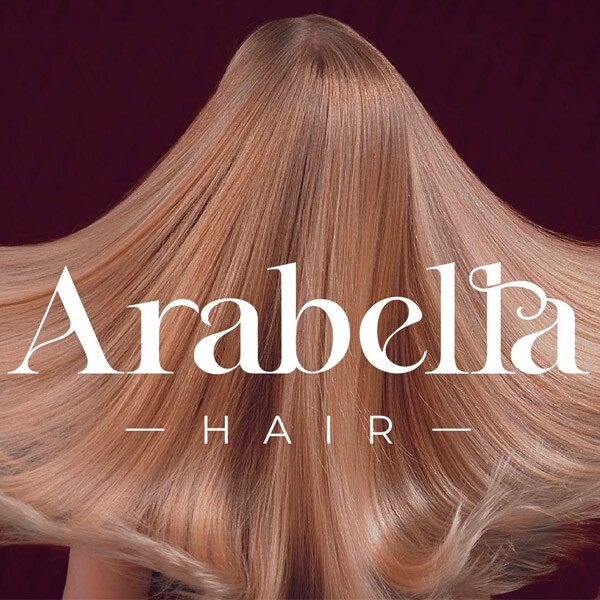









Color Forecast: The Hottest Wig Shades This Season

Color Forecast: The Hottest Wig Shades This Season
The fashion world is always chasing the next big thing, but when it comes to wigs, the forecast has its own weather system. This season's color story blends the glam of Hollywood red-carpet moments with the everyday practicality of easy maintenance and natural-looking blends. Whether you're a longtime wig enthusiast or a first-time wearer, the hues below are designed to feel fresh, flattering, and ready-to-wear in real life. Below, you'll find the hottest wig shades this season, plus tips for choosing, styling, and caring for colors that shine as brightly as your personal style.
Trend Forecast: The Color Story of the Season
Wig color this season leans into three main themes: luminous blondes with cool and warm undertones, rich brunettes with smoky depth, and vibrant reds and pastels that push the imagination while staying wearable. A subtle, modern twist threads through the entire palette: rooty or shadowed bases that create dimension, followed by softer, harmonious ends that mimic the way hair grows naturally in the sun. A growing focus on realism means you'll see more multi-tonal blends, balayage-inspired transitions, and color placements that flatter facial features and skin tones without looking obviously dyed. Think enamel-shiny blondes, satiny chocolates, and reds that glow with warmth rather than overpowering intensity. The season also embraces metallic accents-soft rose golds and champagne silvers-that catch the light in every angle.
Core Shades You'll See Everywhere
When you hear "the hottest shades," you might expect a single color. But this season centers around a well-curated selection of core shades that can be mixed, matched, and personalized. Here are the standouts you're likely to encounter in stores and on runways, from subtle to statement-making:
1) Platinum to Icy Blonde - A timeless favorite reimagined for today's glossy finish. Think cool undertones with a whisper of frost, giving a high-fashion, editorial vibe that still reads clean and approachable. Platinum can be staged with a root shadow to reduce maintenance, or left root-full for a bold, striking look. This shade pairs beautifully with ash and pearl highlights for added depth.
2) Ashy Silver and Pearl - A cooler tone that blends silver with soft gray undertones. This shade feels futuristic yet elegant, perfect for those who want a modern monochrome moment. It's especially flattering on cool skin tones and can be layered with a touch of lavender or pale blue for a subtle metallic sheen.
3) Golden Blonde and Honey Caramel - The warm-handled blonde family returns with more depth. Golden highlights swirl through the base to mimic sunlit strands, making the hair look lit from within. This shade is forgiving for warmer undertones and luminous on neutral skin tones. It also plays nicely with soft root shadows to create a sun-kissed effect year-round.
4) Champagne and Vanilla Brown - A lighter brown with champagne undertones gives a creamy, multi-dimensional effect. It's not as stark as platinum, but it still looks luminous under light. This shade is versatile enough to pair with soft caramel balayage or muted honey tones for a natural, everyday option.
5)Chocolate and Espresso Brunettes - Deep, rich browns with a hint of red or purple undertone for depth. The envelope-pushing version uses a slightly cooler base to maintain a chic, modern edge. This shade is ideal for adding contrast to light eye colors or for a dramatic everyday look that still reads as natural in photos.
6)Wine, Burgundy, and Garnet Reds - A season for bold, lush reds that don't shout but whisper luxury. These shades often feature a cool base with warm edges so the color doesn't look flat. They pair especially well with cooler skin tones and can be brightened with a few lighter strands or a shadow root to keep things dimensional.
7)Copper and Rose-Copper - A perfect bridge between red and warm blonde with a luminous, almost molten finish. Copper tones are forgiving in many lighting conditions and bring a healthy glow to the complexion. Rose-copper adds a romantic hint of pink that softens the overall look and looks stunning on medium to warm undertones.
8)Pastel Pop: Lavender, Mint, and Peach - For those who want a whimsical, fashion-forward moment, pastels are making a big splash. The trick is to keep pastels close to the scalp and blend them with a neutral base so the color reads as modern rather than carnival. Subtle pastel ribbons or balayage accents can achieve the same effect without sacrificing versatility.
9) Silver-Grey with Soft Highlights - The cool-toned gray trend continues, but this season's interpretation leans into soft, wearable blends. Think a charcoal base with lighter silver highlights or a muted lavender-link to soften the look. This shade is excellent for a chic, minimalistic vibe that still feels fashion-forward.
The overarching message: you don't need to pick just one shade. The pieces in this season's palette work well as standalone colors, while also thriving as layered, multidimensional looks that simulate natural hair growth and light play. The result is modern, flattering, and highly photogenic-perfect for social media, work, or special occasions.
Shade Families, How to Use Them
Understanding shade families helps you mix, match, and customize your wig to suit your skin tone, lifestyle, and maintenance preferences. Here's a quick tour of the major families and how they translate into real-world wear:
Blondes: Light to Medium Golden, Neutral, and Icy - Think face-framing highlights, rooty discoveries, and mid-length layers that enhance shine. If you're cool-toned, icy blondes with ash undertones often look stunning on you; if you're warm-toned, golden and honey blondes deliver a natural glow. Transition shades with soft root tones are kinder for aging hair or daily wear, and they help prevent the infamous line of demarcation where color meets scalp.
Brunettes: Chocolate, Espresso, and Walnut - Rich browns offer depth and versatility. A cooler base with subtle reds yields a sophisticated look that photographs well in daylight and artificial light. For those with warm undertones, leaning into caramel or chestnut highlights can brighten features without washing you out.
Reds: Burgundy, Wine, and Copper - Red wigs demand proper lighting to show their true depth. A rooted or shadowed base helps prevent the color from appearing flat, while cooler bases keep the shade from turning orange. Reds are statement pieces, so pair them with minimal accessories to keep the focus on the hair.
Pastels: Lavender, Mint, Peach - Pastels are bold in concept and gentle in execution. They're often easiest when layered over a natural or muted base, with the color concentrated in ends or face-framing panels. For longevity, avoid harsh washing and opt for color-safe, sulfate-free shampoos and cold or lukewarm water.
Metallics: Silver, Champagne, Rose Gold - Metallic hues give a modern, futuristic glow. They often benefit from a slightly cooler washing routine to maintain the iridescent effect. Finishes with a satin or silk-like sheen convey a luxurious vibe that's particularly flattering on cooler skin tones.
Skin Tone and Undertone Guide
Color forecasting isn't only about the shade; it's also about how the shade plays with your skin. The most flattering wig shade often harmonizes with your undertone and eye color, creating balance and brightness in the face. Here are practical guidelines to help you choose wisely:
Cool Undertones - Lean toward ash-blonde, platinum, silver with subtle violet or blue-tinted undertones, and deep espresso-brown or cool burgundy. Mix cool hues with cool undertones in the skin for a cohesive look. If you're drawn to reds, choose burgundy or wine shades with a cooler base and avoid orange-leaning reds.
Warm Undertones - Embrace golden blondes, honey caramel, warm chestnut, and copper-red shades. These shades illuminate warm skin tones and tend to fade less dramatically as you step out into sunlight. Root shadows and warm highlights help maintain a natural glow and prevent the color from appearing flat.
Neutral Undertones - You're in a great position: most shades will be flattering, especially those with balanced undertones like champagne blondes, taupe browns, and rose-gold blends. Play with contrast-light roots with darker ends or vice versa-to find the right mix that reads vibrant on camera but easy in person.
When in doubt, consult a color guide or a professional stylist who can match your undertone to a wig color chart. A well-chosen wig can enhance your natural glow and create a look that photographs beautifully in daylight, flash, and video.
Texture and Cut: How Color Reads on Hair Type
The texture and cut of a wig influence how color appears. A straight wig can look sharper with a higher-contrast color, while wavy or curly textures soften color transitions and give a more dimensional appearance. Layered cuts are particularly forgiving with multi-tonal colors because the color moves with the layers, creating the illusion of depth. If you're going for a muted, natural effect, a face-framing bob or long, softly layered cut paired with a subtle root shadow can be both flattering and low-maintenance.
Synthetic fibers tend to hold color with a glossy, uniform sheen that can make colors look brighter. Human-hair wigs tend to reflect light more softly and develop a more organic finish over time as oils and wash routines shape the color perception. When shopping, consider whether you want a color that stays bold wash after wash (more common in synthetics) or a color that ages more like natural hair (typical of some human-hair blends). Either way, always follow care instructions to preserve vibrancy.
Styling Hacks to Maximize Color Impact
Color is an investment, and styling can either enhance or diminish its effect. Here are practical tips to maximize the look of the hottest shades this season:
1) Face-Framing Moments - Create brighter, lighter accents around the face with subtle balayage or lighter wefts. This trick makes eyes pop and draws attention to your features without overwhelming the overall color.
2) Root Shadows and Dimension - A soft root shadow creates depth and makes the wig feel more like natural hair. It's particularly effective on brunettes and reds, as the root tone anchors the color and reduces the stark line at the scalp.
3) Textural Play - Embrace waves or curls to let color catch light in different ways. Wavy textures can read as more natural and can help blend multi-tonal shades with less maintenance.
4) Parting and Placement - A deep side part or a center part can dramatically alter how color sits on your face. Try different partings to see which placement makes your skin glow and your eyes pop.
5) Shine and Finish - A lightweight shine spray or serum can enhance color brilliance, especially on platinum, champagne, and metallic shades. Avoid heavy oils that can weigh down the current finish; instead, opt for a product designed for color-treated hair to preserve vibrancy without buildup.
Care and Maintenance for Color-Treated Wigs
Color-treated wigs require a thoughtful care routine to keep the shade vibrant and evenly toned. The good news is that with a few simple habits, you can extend color life significantly:
Washing - Use color-safe, sulfate-free shampoos and cold to lukewarm water. Over-washing can strip color, especially on lighter blondes and pastels. Consider washing every 7 to 14 days, depending on wear and sweating. Condition the mid-lengths and ends, avoiding the roots to keep a natural lift at the scalp.
Drying - Gently pat dry with a microfiber towel. Avoid rubbing. Air-dry whenever possible; if you must use heat, use the lowest setting and a heat-protectant spray designed for wigs. Consider a cool-dry setting to lock in tone without scorching fibers.
Storage - Store wigs away from direct sunlight, which can fade color, and keep them on a stand or in a breathable cap. If you're rotating colors often, consider a dedicated storage system that protects color integrity and prevents tangling.
Protection - When styling with heat tools, use a heat protectant and monitor temperatures closely. Avoid repeated high-heat styling on the same wig to prevent fiber damage and color degradation. For color-treated synthetic wigs, avoid masking by heat-some require heat-safe labels; always check the manufacturer's guidelines.
Accessorizing Your Color Moment
Color isn't just about the hair itself-it's about how you accessorize to elevate the entire look. Here are a few ideas that pair beautifully with the season's hottest shades:
- Jewelry: Cool-toned wigs (platinum, ash, silver) pair well with cool metals like silver, white gold, and crystal accents. Warm-toned wigs (golden blondes, caramels, coppers) shine next to gold, bronze, or warm pearl tones.
- Makeup: For blondes, soft taupe shadows and peachy blushes echo the warmth of honey shades. For brunettes, bronze and taupe eye makeup with a berry or pink lip can balance the depth of the hair. Reds and burgundies look striking with a neutral eye and a bold lip, if you want a high-contrast glam moment.
- Wardrobe: Neutral palettes with a pop of color in accessories help the wig stand out. For instance, a burgundy wig looks sophisticated with emerald or navy pieces, while a platinum wig pairs nicely with black-and-white or jewel-tone outfits.
Where to Find the Season's Hottest Wig Shades
Finding the perfect shade is easier than ever, thanks to a blend of direct-to-consumer brands, salon suppliers, and specialty wig boutiques. Here are some practical tips to help you shop confidently:
- Start with color swatches and virtual try-ons to gauge how a shade interacts with your skin tone and eye color before committing.
- Look for wigs with natural-looking root tones and multi-dimensional highlights rather than flat single-block colors. The more variation within the shade, the more realistic the result.
- For a dramatic change, consider a longer-term color goal like a shadow root, which makes upkeep easier while giving the color depth and movement.
- Pay attention to fiber type. Synthetic wigs with heat-resistant fibers can mimic natural hair color well and are often more color-stable, while human-hair wigs accept custom dyeing in a salon setting for ultra-personalized shades.
Step-by-Step: How to Choose Your Wig Shade This Season
Choosing the right shade can feel overwhelming with so many gorgeous options. Here is a simple, practical approach to help you land on a shade you'll love-and keep loving-throughout the season:
1) Start with your base undertone. Look at the veins on your wrist: blue/purple suggests cool tones, green hints at warm tones, and olive or a mix indicates neutral. Use this as a starting compass.
2) Decide your vibe. Do you want a soft, natural enhancement or a bold, statement color? If you're new to wigs, an "everyday" shade like a champagne brown or cool ash blonde can be a comfortable entry point. If you're seasoned, a richer red or silver can be your signature.
3) Consider maintenance. Lighter shades require more upkeep to prevent yellowing and brassiness. If you want less maintenance, go for mid-tone browns or neutral blondes with low-contrast roots and ends.
4) Test with a little makeup and wardrobe. Try on the wig and observe how it photographs in different lighting. Take photos in natural light and indoor lighting to see how the shade reads on camera and in person. Ensure your skin looks lit and your features pop, rather than washed out or overwhelmed by the color.
5) Invest in a color-safe care routine. A good rule of thumb is to use color-safe shampoos and conditioners tailored to the shade family you chose, plus heat protection if you plan to style with heat.
Seasonal Must-Have Combinations
To help you envision how to apply the forecast to real life, here are a few curated combinations that balance fashion-forward hues with wearable practicality:
- Platinum + Shadow Root: A striking, modern look that remains easy to maintain with subtle root growth.
- Golden Blonde + Caramel Lowlights: A sun-kissed effect that reads warm and approachable in daylight and glow in evening lighting.
- Espresso Brunette + Subtle Red Pebbles: Depth with a hint of warmth; perfect for a sophisticated, everyday silhouette.
- Rose Gold + Soft Taupe: A romantic, contemporary vibe that sits comfortably with many skin tones and outfits.
- Pastel Lavender on a Neutral Base: A whimsical, fashion-forward statement that remains refined with a natural base and careful application of color placement.
Frequently Asked Questions
What is the most natural-looking wig shade this season?
Natural-looking shades tend to be mid-range blondes and browns with soft root shadows and subtle highlights. For many people, a warm or cool neutral shade with dim508 or dimension-rather than solid blocks of color-appears the most natural, especially in daylight.
How do I know if a wig color will suit my skin tone?
Look for undertones that match yours and test the shade against your jawline and neck. If the color makes your skin look vibrant and your eyes pop, it's a good fit. If you notice washing out or red undertones that clash with your skin, you may want a different shade or a color with more balanced undertones.
Can I dye a wig that isn't color-safe or synthetic?
Always follow the manufacturer's guidelines. Most synthetic wigs cannot be dyed successfully, while certain human-hair wigs can be colored with professional-grade dyes. If you're uncertain, consult a professional wig stylist to avoid damaging the wig.
Conclusion: Your Season, Your Color
This season's color forecast is all about balance-between bold and wearable, between cool and warm undertones, and between vibrant light-and-dark contrasts. The hottest wig shades are those that feel modern without shouting, luxurious yet practical enough for daily life. The real magic happens when you blend the season's shade families with your unique skin tone, eye color, and personal style. A well-chosen wig shade has the power to transform not just your hair, but how you feel in your own skin: more confident, more expressive, and more authentically you.
Ready to experiment? Start with a safe, flattering shade and a versatile cut, then gradually explore more daring hues as you grow comfortable. Track how light interacts with the color at different times of day, photograph your look, and savor the way your new shade boosts your mood and your outfits. The color forecast is here, and your next wig shade is waiting to redefine your season in the most personal way possible.
LIKED THIS ARTICLE? SHARE IT: